Technology and Innovation·4 min read·By Adam Rapák
Integrating delivery into an e-shop: why a widget makes the most sense today
Delivery integration isn’t just technical. It’s the moment where conversion is decided. We explain why handling delivery in the checkout via a smart widget makes the most sense today.
Integrating delivery into an e-shop today is not just a technical task. It directly affects conversions, customer experience, and real operational costs. And this is exactly where most e-shops struggle – not with delivery itself, but with how to integrate it meaningfully into the checkout.
APIs, feeds, or plugins work. But only until the customer starts asking the key question: “When will it actually arrive?”
In this article 01✅ TL;DR – How to integrate delivery into an e-shop properly today
Delivery must be part of the decision-making process in the checkout
Customers need a specific delivery day and time
Integration must not require months of development
The e-shop must stay in control of what it promises
➡️ This is exactly what the DODO widget is built for.
In this article 02Why traditional delivery integration is no longer enough
Most e-shops have delivery technically implemented correctly, but from a user perspective, it no longer works.
Typical scenario:
The customer selects “home delivery”
They have no idea when the parcel will arrive
They only get the information on the day of delivery
They have to adapt to the courier
Consequences:
Worse shopping experience
Customer churn to competitors with better delivery UX
Higher number of failed deliveries
More customer support inquiries
Delivery behaves like a necessary evil – not as part of the shopping experience.
In this article 03The DODO widget: delivery as part of checkout decision-making
The DODO widget changes the logic of delivery integration from the ground up. It doesn’t just solve technical connectivity, but the way customers actually choose delivery.
What the widget does:
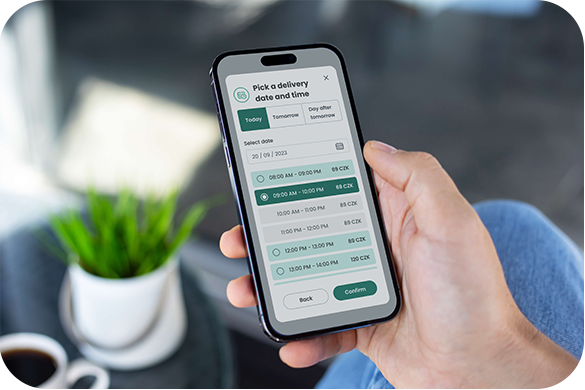
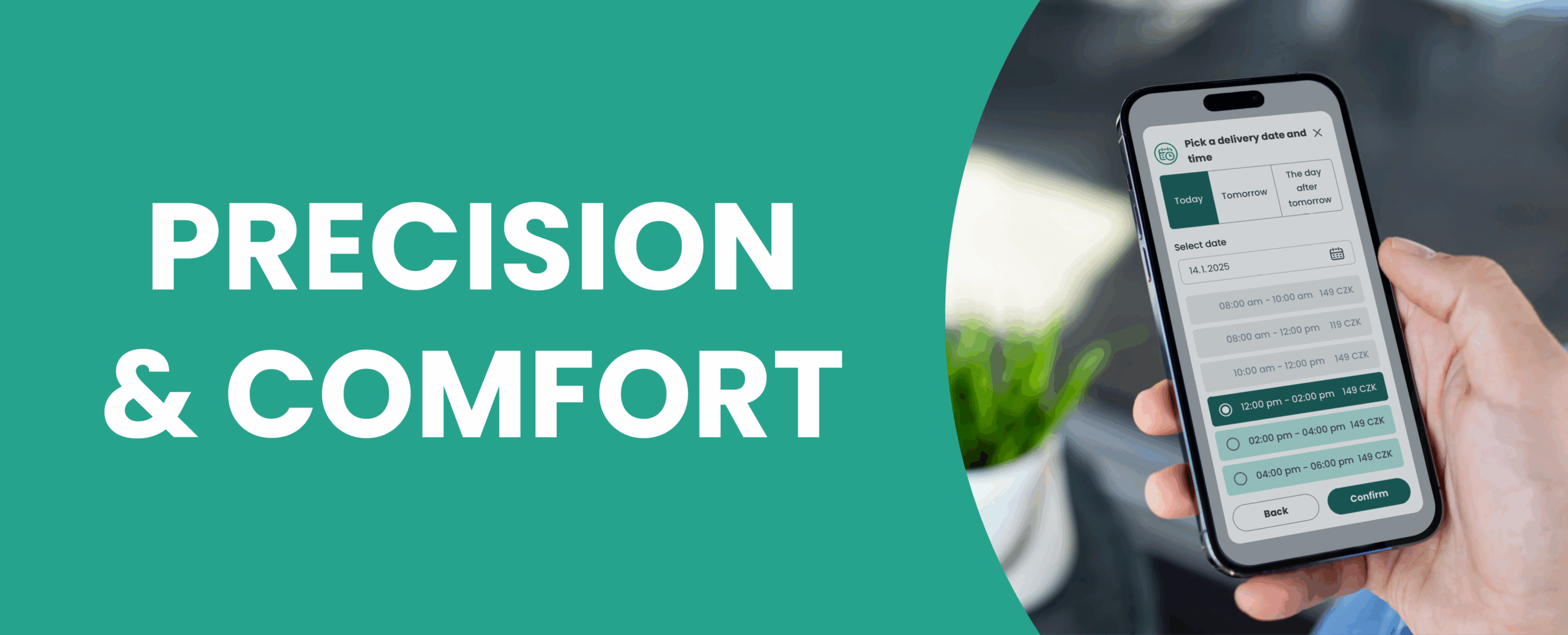
Shows realistically available delivery times directly in the checkout
Allows selection of a specific delivery day and time
Works with real-time delivery capacity
Prevents promises that cannot be fulfilled
The customer knows exactly when delivery will take place – before paying.
In this article 04Comparison of delivery integration options for e-shops
Integration method
What it solves
Benefits
Limitations for e-shops
Basic delivery method (courier / pickup point)
Shipment dispatch after order
Fast deployment
Customer doesn’t know when delivery will happen. High uncertainty.
Carrier plugin
Order and label automation
Time savings, fewer errors
Doesn’t support checkout decision-making. No delivery time certainty.
Summary: If an e-shop only needs to technically dispatch parcels, a plugin is enough. If it wants to influence customer behaviour and reduce delivery uncertainty, the best solution is DODO’s slot-based delivery via widget integration.
In this article 05Slot-based delivery without development hell
The DODO widget is designed to:
Work with Shoptet, WooCommerce, Shopify, and custom solutions
Require no extensive development
Be deployable within hours, at most days
Slot-based delivery thus becomes a standard – not a premium feature reserved only for the biggest players.
In this article 06What the e-shop gains in practice
Higher delivery success rate
Fewer complaints and inquiries
Lower load on customer support
Better operational planning
Higher conversion thanks to delivery certainty
The customer does not adapt to delivery. Delivery adapts to the customer.
In this article 07❓ FAQ – Most common questions about delivery integration
What is the difference between a plugin and a widget? A plugin solves the technical side of dispatch. A widget solves customer decision-making in the checkout – the moment where conversion is decided.
Do I need a developer? In most cases, no. The widget is ready for common e-shop platforms and can be deployed without development, by inserting a few lines of code. The DODO development team can assist if needed.
How long does implementation take? Typically a few hours, at most a few days, depending on the platform and scope of adjustments.
Is slot-based delivery suitable for smaller e-shops? Yes. Smaller e-shops often suffer most from failed deliveries and customer inquiries. Slots give them control without large investments.
Does delivery time selection increase conversion? Yes. Customers complete purchases more often when they know exactly when they will receive their order.
Do I need my own logistics? No. The widget works with DODO delivery capacity and is designed for outsourced logistics.
In this article 08🚀 Summary
Delivery integration today is not about how to ship a parcel, but how to sell it. A widget with delivery day and time selection turns delivery from a necessary step into a competitive advantage. And that’s exactly where delivery should be in modern e-commerce.
Customers want to know exactly when their parcel will arrive. E-shops want fewer complaints and higher efficiency. Time-slot delivery solves both — and is becoming the new standard.
Slot delivery means choosing an exact day and time to receive a parcel. No waiting, no uncertainty. The customer knows exactly when the courier will arrive and can plan their day accordingly.